
offerings
-
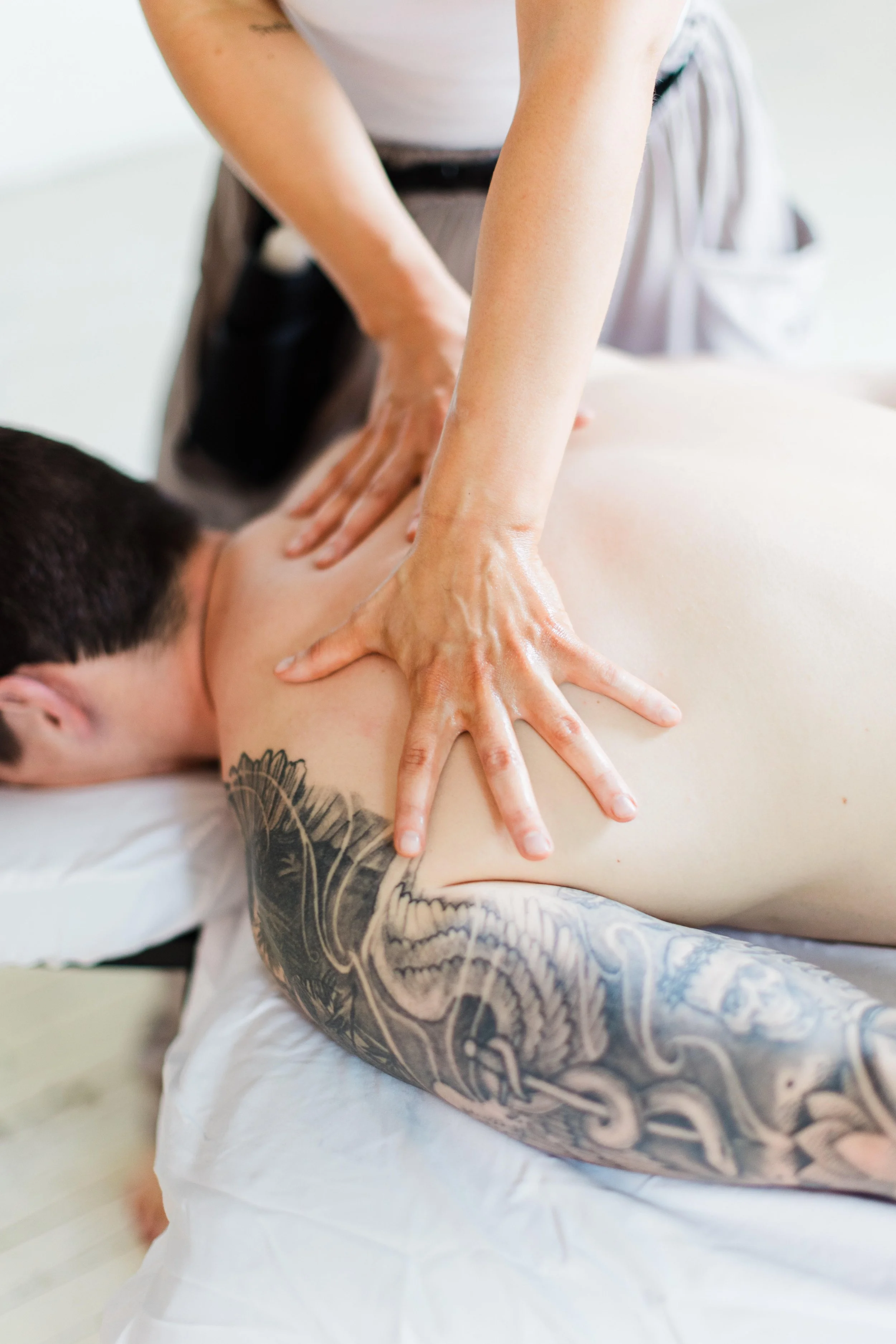
60 Minute massage
Restore • Regulate • Reconnect
Combining clinically informed bodywork with trauma-aware touch, areas of pain, stress and restriction are addressed while supporting deep relaxation and embodiment.
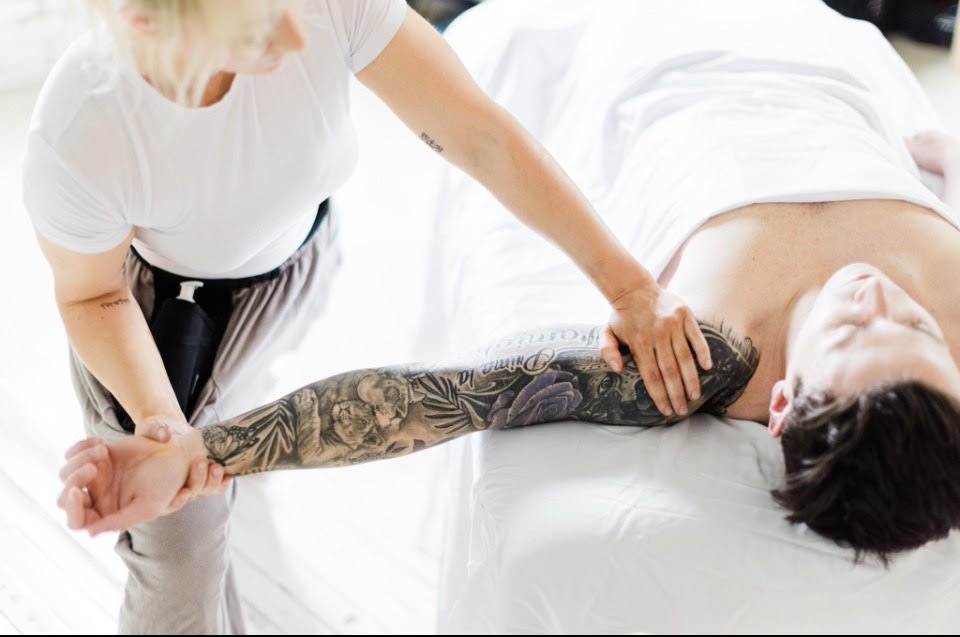
Each session is tailored to your body’s needs using a blend of therapeutic massage, myofascial release, dermoneuromodulation, propioceptive neuromuscular facilitation, breath awareness, and nervous-system regulation techniques. Heat and cupping complimentary. -
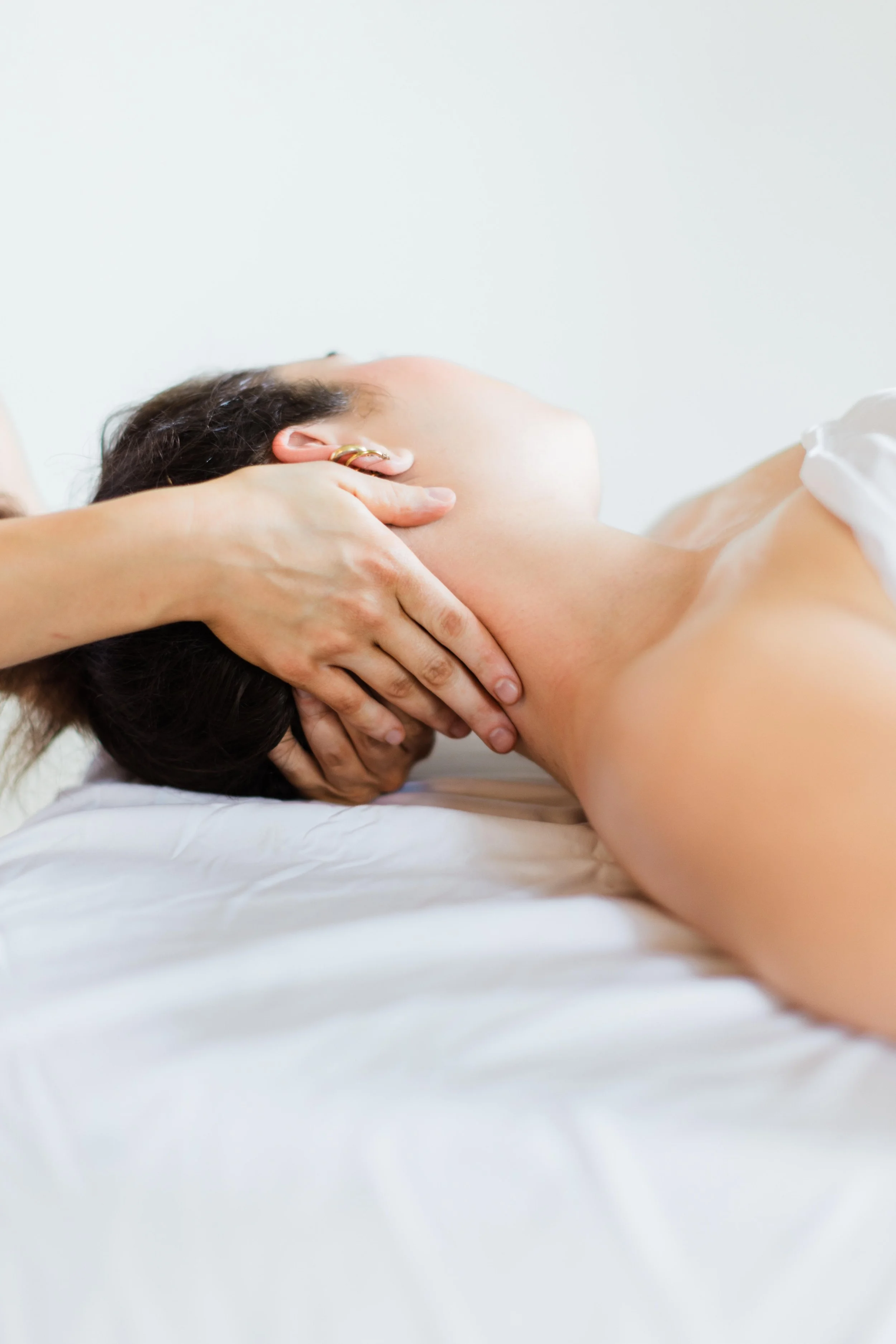
90 MINUTE massage
Release • Ground • Ignite
This extended session allows time for deeper therapeutic work while creating space for the nervous system to fully settle and unwind.
Each session is tailored to your body’s needs using a blend of therapeutic massage, myofascial release, dermoneuromodulation, propioceptive neuromuscular facilitation, breath awareness, and nervous-system regulation techniques. Heat and cupping complimentary. -
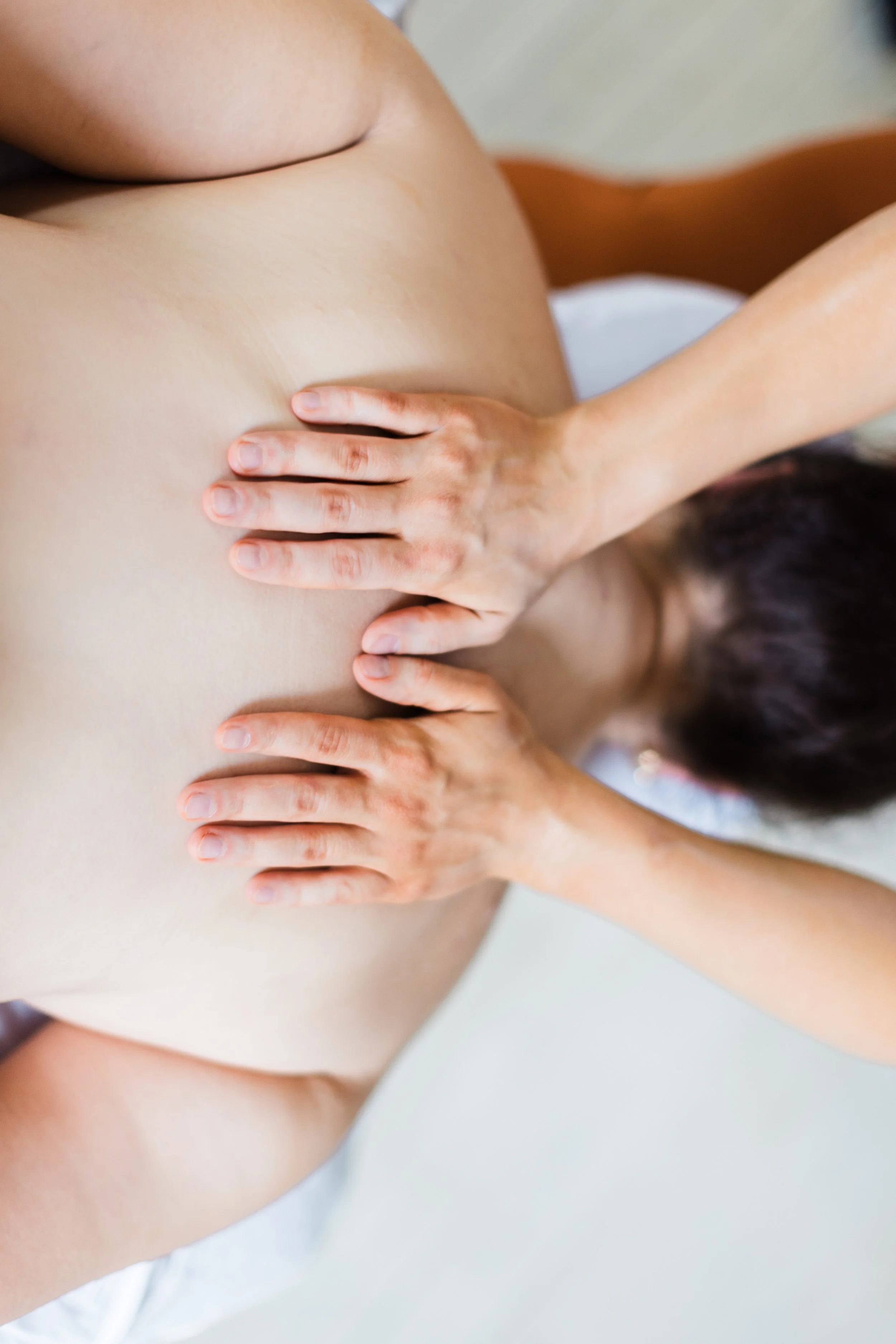
120 minute massage
Deep Healing • Embodied Restoration • Nervous System Renewal
A profoundly restorative journey designed for those seeking deep therapeutic care + intentional reconnection with self. This session supports a deeper unwinding that becomes possible.
Each session is tailored to your body’s needs using a blend of therapeutic massage, myofascial release, dermoneuromodulation, propioceptive neuromuscular facilitation, breath awareness, and nervous-system regulation techniques. Heat and cupping complimentary.


LEARN
-
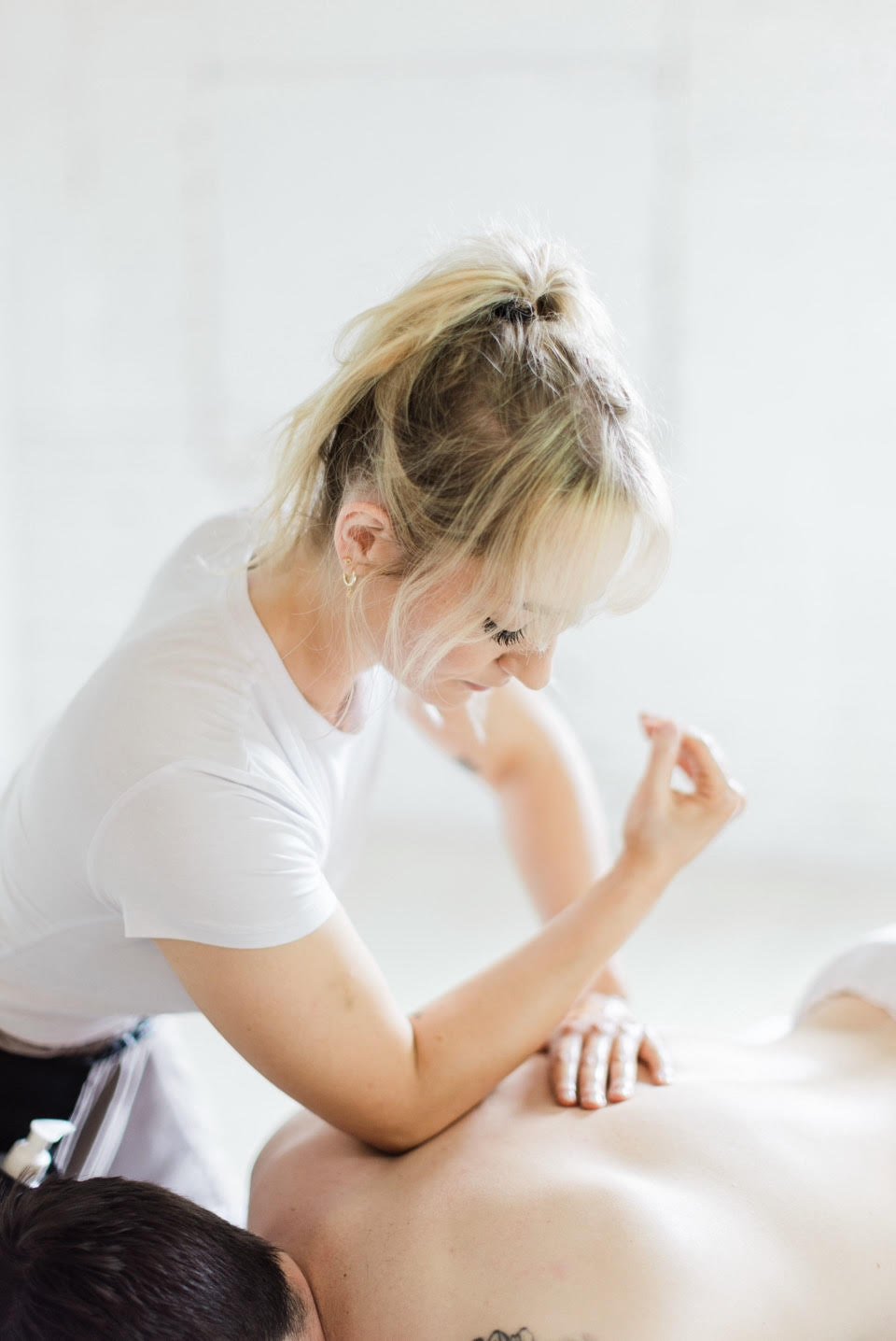
involves the use of long, flowing strokes, kneading, deep circular movements, vibration, and tapping to stimulate mechanoreceptors and C tactile fiber nerves in the skin.
C-tactile (CT) fibers are specialized sensory nerve fibers located primarily within hairy skin that respond most optimally to slow, gentle, intentional touch. Unlike fast-conducting nerves associated with pressure or pain detection, CT fibers are closely linked to the emotional and regulatory aspects of touch.
Research suggests these fibers play an important role in nervous system regulation, emotional processing, social connection, and the body’s sense of safety. Intentional therapeutic touch may help activate pathways associated with relaxation, calming, parasympathetic activity, and feelings of connection and care.
-
A therapeutic approach focused on addressing deeper layers of muscle and connective tissue. Deep tissue work may help reduce chronic tension, improve mobility, and support recovery from repetitive strain, stress-related holding patterns, and physical overuse while still prioritizing nervous system safety and regulation.
Please note deep tissue is a technique more than it is just pressure and should NOT be painful. Together we will find a pressure your body appropriately responds to.
-
Prenatal massage is a therapeutic approach designed to support the physical and emotional changes that occur throughout pregnancy. As the body adapts to rapid structural, hormonal, and nervous system changes, many individuals experience increased tension, fatigue, swelling, discomfort, and overwhelm.
Prenatal bodywork is tailored specifically to the changing needs of the pregnant body while prioritizing safety, comfort, and nervous system support. Sessions may help address:
low back and hip discomfort
neck and shoulder tension
swelling and circulation support
sleep difficulties
nervous system regulation
stress and emotional overwhelm
postural strain from physical changes during pregnancy
-
Thai herbal heat compress therapy uses warm herbal poultices filled with traditional herbs that are steamed and applied directly to the body through compressive, rhythmic techniques. The warmth and aromatic herbs help support circulation, relaxation, tissue softening, and nervous system regulation while creating a deeply grounding sensory experience.
Heat therapy may assist in:
reducing muscular tension and stiffness
increasing circulation
calming the nervous system
supporting recovery and mobility
easing stress-related holding patterns
promoting relaxation and rest
The warmth of the compresses can also help the body transition into a more receptive parasympathetic state, allowing tissues and protective holding patterns to soften more naturally.
-
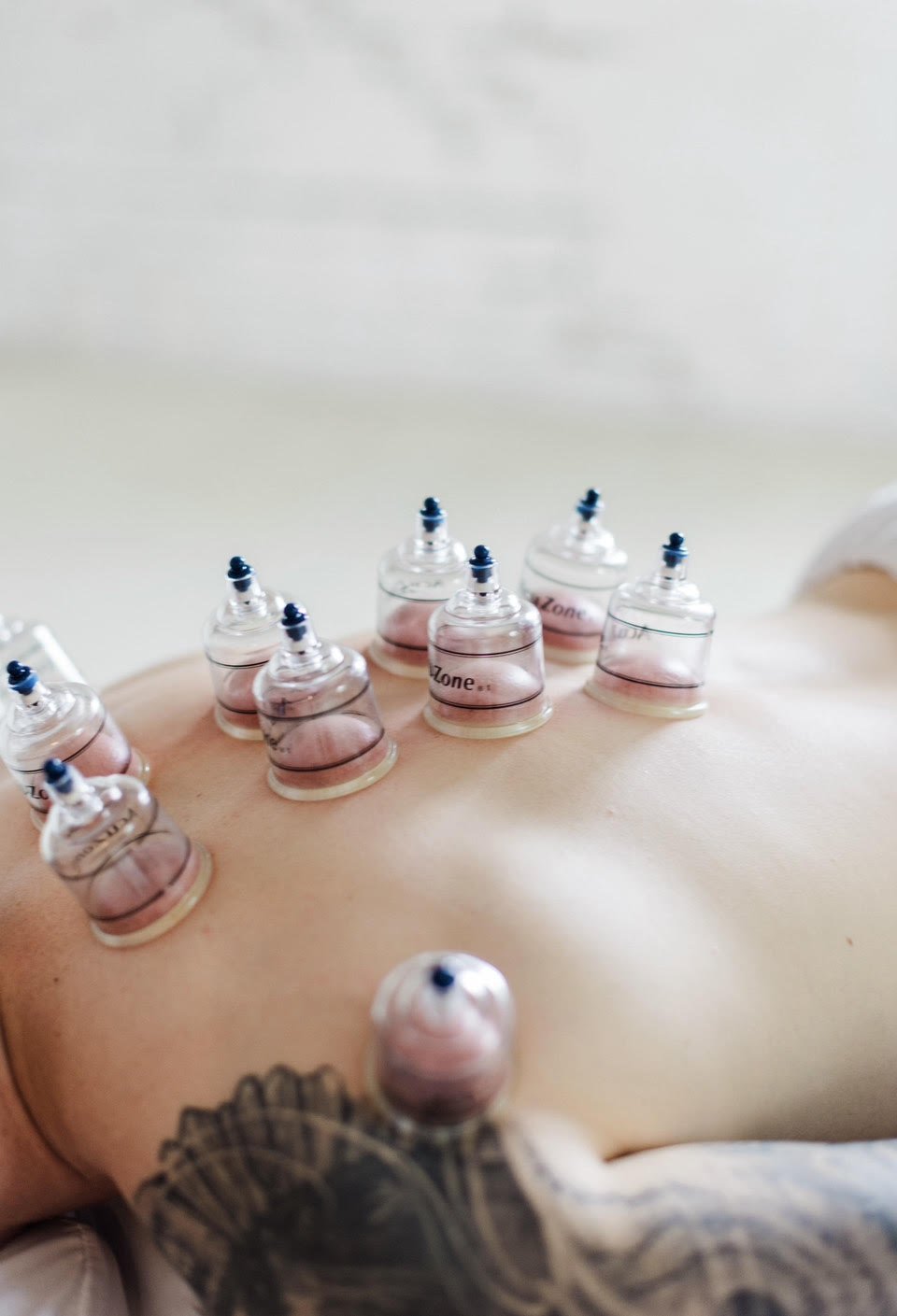
In Traditional Chinese Medicine (TCM), cupping is understood as a therapeutic method that helps regulate the flow of Qi (vital energy) and Blood (Xue) through the body’s meridian system.
When Qi and Blood move freely, the body feels warm, nourished, and balanced. When they become stagnant—often due to stress, injury, overuse, cold exposure, or emotional strain—people may experience pain, tightness, fatigue, or a sense of “stuckness” in the body.
Cupping works by creating a gentle suction that lifts the skin and superficial layers of tissue. In TCM terms, this helps to:
Move stagnant Qi and Blood
Release “Wind, Cold, and Damp” (external or internal pathogenic factors that can lodge in the muscles and joints)
Open the meridians to restore smoother energetic flow
Reduce pain and muscular stagnation
Support the body’s natural healing response
The circular marks that can appear after cupping are traditionally interpreted as a visible sign of stagnation being brought to the surface. These marks are not bruises in the Western sense, but a reflection of local circulation and the movement of stagnant Qi and Blood.
In modern integrative practice, cupping is often understood as both a circulatory and fascial technique
-
involves both the stretching and contracting of the targeted muscle group. It is commonly used in rehabilitation settings and athletic training to enhance both passive and active range of motion, with the ultimate goal of optimizing motor performance and aiding in muscle recovery.
-
used to relieve pain and improve mobility by targeting the myofascial tissues. These tissues are the thin, tough connective tissues that surround and support muscles throughout the body. When these tissues become tight or restricted, it can lead to pain, decreased range of motion, and other issues.
-
Trauma-informed bodywork recognizes the relationship between the nervous system, lived experiences, and the body’s protective responses. Sessions are guided with an emphasis on safety, consent, pacing, and client autonomy. The intention is not to force release, but to create an environment where the body feels supported enough to soften, regulate, and reconnect.
-
Grief is not experienced only emotionally — it is also experienced physically within the body and nervous system. Loss, transition, heartbreak, chronic stress, caregiving, trauma, and major life changes can contribute to tension, fatigue, nervous system dysregulation, breath restriction, digestive changes, exhaustion, numbness, and physical holding patterns.
Many people experiencing grief remain in prolonged states of survival, hypervigilance, emotional suppression, or disconnection from the body. Therapeutic touch can offer a gentle space for grounding, regulation, rest, and reconnection during periods of emotional overwhelm or transition.
At Sol State, grief-informed bodywork is approached with compassion, pacing, consent, and nervous system awareness. The intention is not to force emotional release, but to support the body in feeling safe enough to soften, process, and be supported exactly where it is.
Massage therapy cannot remove grief, but it can help create moments of regulation, presence, and care within the body while moving through it.
-
During a guided breathwork session, a practitioner instructs or guides the participant through various breathing techniques designed to regulate the breath and engage the body's natural relaxation response. These sessions can vary in intensity and purpose, from simple relaxation exercises to more intense breathwork designed to release emotional blockages or alter consciousness.
-
A therapeutic and mindfulness practice that encourages individuals to connect deeply with their bodies and internal experiences. Through this practice, participants are guided to become more aware of their physical sensations, emotions, and the relationship between their mind and body. The goal is to foster a sense of presence, grounding, and self-awareness, which can enhance emotional well-being and overall health.